Winter Hardscape Care: Preventing Damage to Stone & Walkways
January in Tarrant County brings a unique set of challenges for homeowners with stone walkways, patios, retaining walls, and decorative hardscapes. While North Texas winters are generally mild compared to northern states, the rapid temperature swings common in January create serious risks for hardscape materials. Overnight freezes followed by sunny afternoons trigger repeated freeze–thaw cycles that can crack stone, shift pavers, and compromise the long-term value of your outdoor investments.
Winter hardscape maintenance in Texas is not about snow removal alone. It’s about understanding soil movement, moisture behavior, drainage efficiency, and material compatibility in clay-heavy North Texas landscapes. Without proactive care, even well-built stonework can deteriorate quickly during winter.
This in-depth January guide explains how freeze–thaw cycles affect stone and walkways, why drainage matters more in winter than any other season, and what homeowners in Tarrant County can do to protect their hardscape investment.
Why January Is the Most Critical Month for Hardscapes in North Texas
January is often the coldest and most unpredictable month in North Texas. While extended freezes are rare, short cold snaps are frequent, and they’re usually followed by warm, wet periods. This pattern is especially damaging to stone and masonry surfaces.
In Tarrant County, winter weather often includes:
- Overnight temperatures dropping below freezing
- Daytime highs climbing into the 50s or 60s
- Cold rain instead of snow
- Heavy clay soils that retain moisture
These conditions create ideal circumstances for freeze–thaw damage. Water enters tiny pores and joints in stone and concrete. When temperatures drop, that water freezes and expands. As it thaws, it leaves behind microscopic fractures that grow larger with each cycle.
Understanding Freeze–Thaw Damage in Stone and Walkways
Freeze–thaw damage is one of the leading causes of premature hardscape failure in North Texas. Unlike structural failures caused by poor installation, freeze–thaw damage occurs gradually and often goes unnoticed until significant repairs are required.
How Water Penetrates Hardscape Materials
Stone, concrete, mortar, and grout are all porous to some degree. Even sealed surfaces can allow moisture intrusion over time. Water enters through:
- Expansion joints
- Grout lines between pavers
- Hairline cracks
- Unsealed stone pores
Once water is trapped beneath or within the surface, freezing temperatures cause it to expand by approximately nine percent. That expansion exerts pressure on surrounding materials.
What Happens During Repeated Freeze–Thaw Cycles
One freeze rarely causes visible damage. The problem arises when cycles repeat over days or weeks. Each cycle:
- Widens existing cracks
- Loosens pavers
- Weakens mortar joints
- Disrupts the compacted base beneath walkways
By the end of January, surfaces that looked fine in December may begin to show uneven settling, surface cracks, or spalling.
Stone Walkway Freeze Protection for North Texas Homes
Stone walkways are especially vulnerable during winter because they experience frequent foot traffic and direct exposure to moisture. Proper stone walkway freeze protection focuses on surface integrity, joint stability, and subsurface drainage.
Inspecting Walkways Before and During Winter
A thorough inspection is the first step in winter hardscape maintenance in Texas. January is an ideal time to assess damage caused by early freezes.
Look for:
- Loose or rocking stones
- Cracks in natural stone or concrete
- Gaps in joints or missing polymeric sand
- Standing water near walkways after rain
Addressing small issues early prevents more extensive damage later in the season.
The Importance of Joint Stabilization
Polymeric sand and mortar joints play a critical role in keeping stone walkways intact. When joints erode or crack, water penetrates more easily.
Winter maintenance may include:
- Replacing washed-out joint material
- Reapplying polymeric sand during dry periods
- Repairing cracked mortar joints
Proper joint stabilization significantly reduces water intrusion and freeze-related movement.
Hardscape Highlights: Stone Work Value in Winter
Stonework is one of the most valuable features in a North Texas landscape. Patios, walkways, retaining walls, and decorative stone elements add both aesthetic appeal and functional value. However, winter neglect can quickly diminish that value.
How Winter Damage Affects Property Value
Visible hardscape damage can:
- Reduce curb appeal
- Create safety hazards
- Signal deferred maintenance to potential buyers
- Increase long-term repair costs
In competitive real estate markets across Tarrant County, well-maintained hardscapes set properties apart.
Protecting High-End Materials
Premium materials such as limestone, flagstone, and travertine require specialized winter care. These stones are more porous and sensitive to moisture changes.
Professional winter hardscape maintenance in Texas ensures:
- Proper sealing schedules
- Material-specific care methods
- Drainage adjustments tailored to stone type
Smart Drainage Solutions for North Texas Hardscapes
Drainage is the single most important factor in preventing winter hardscape damage. In North Texas, clay soils compound the problem by slowing water absorption.
Why Clay Soil Makes Winter Worse
Clay soil expands when wet and contracts when dry. During winter:
- Rain saturates the soil
- Freezing temperatures lock moisture in place
- Thawing causes soil movement beneath hardscapes
This movement leads to uneven settling, cracked stone, and shifted walkways.
Common Drainage Issues Affecting Hardscapes
Drainage problems often include:
- Improper slope directing water toward walkways
- Clogged surface drains
- Inadequate base material beneath stonework
- Downspouts discharging near hardscapes
Even minor drainage issues become major problems during January freezes.
Smart Drainage Solutions North Texas Homeowners Should Consider
Effective winter drainage strategies include:
- French drains to redirect subsurface water
- Channel drains along walkways and patios
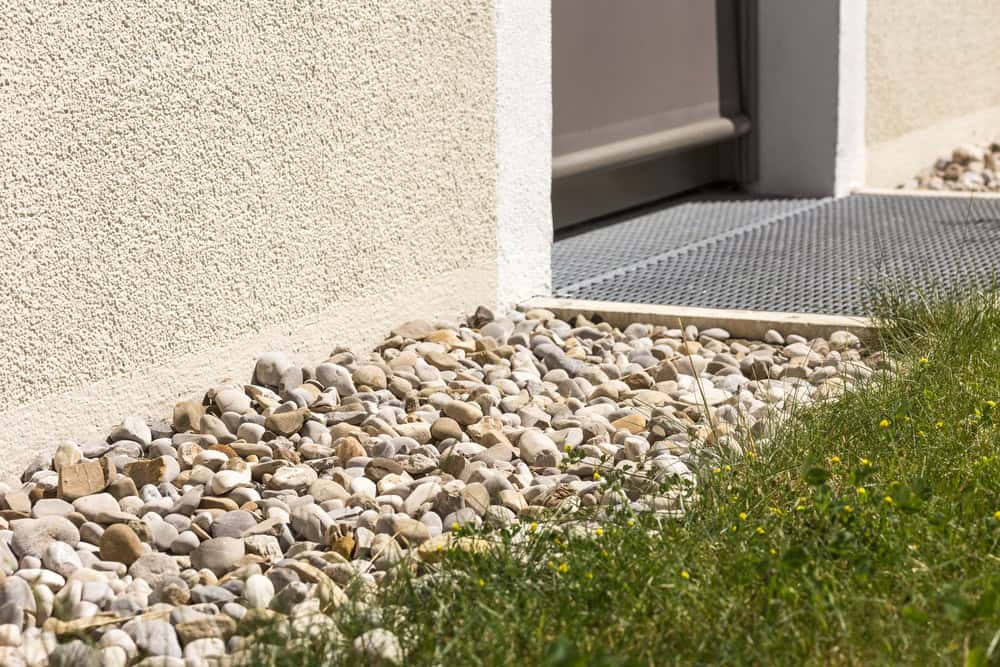
- Downspout extensions away from stone surfaces
- Regrading to improve surface runoff
These solutions reduce moisture buildup and protect hardscapes year-round.
Sealing Stone and Concrete Before and After Freezes
Sealing is a key component of winter hardscape maintenance in Texas. While sealing should ideally be done before winter, January assessments can determine whether reapplication is needed during warm spells.
Benefits of Proper Sealing
A quality sealant:
- Reduces water absorption
- Protects against staining
- Extends material lifespan
- Enhances natural color and finish
When Sealing Is Appropriate in January
In North Texas, sealing may be possible during dry periods when temperatures remain above recommended thresholds. Professional evaluation ensures conditions are suitable.
Avoiding De-Icer Damage to Stone Walkways
Many homeowners unknowingly damage stone surfaces by using harsh de-icing products.
Why Traditional Ice Melt Is Harmful
Common de-icers:
- Accelerate surface scaling
- Break down sealants
- Increase water penetration
- Discolor natural stone
Safer Winter Traction Alternatives
Consider:
- Sand for traction
- Calcium magnesium acetate products
- Prompt removal of ice during warm periods
Choosing the right materials protects both safety and stone integrity.
Professional Winter Hardscape Maintenance in Tarrant County
DIY maintenance has limits, especially during winter. Professional services provide expertise and equipment tailored to North Texas conditions.
What Professional Winter Hardscape Care Includes
Services may include:
- Comprehensive inspections
- Drainage evaluations
- Joint repair and stabilization
- Stone sealing recommendations
- Freeze–thaw damage mitigation
Why Local Expertise Matters
Tarrant County landscapes face unique challenges due to soil composition, weather patterns, and construction styles. Local professionals understand these factors and design solutions accordingly.
Long-Term Benefits of Winter Hardscape Care
Proactive winter care offers benefits beyond immediate protection, especially in climates like North Texas where hardscapes are exposed to repeated freeze–thaw cycles.
Long-term benefits include:
- Reduced repair and replacement costs caused by cracked stone or sunken walkways
- Improved safety by minimizing trip hazards and uneven surfaces
- Extended lifespan of stone, pavers, and concrete materials
- Preservation of curb appeal and overall property value
- Better performance of adjoining landscape features such as turf, beds, and drainage systems
When hardscapes are protected through proper winter hardscape maintenance in Texas, they maintain structural integrity through seasonal extremes. This reduces the likelihood of major reconstruction projects and keeps outdoor spaces functional year after year.
How Freeze–Thaw Damage Impacts Different Hardscape Materials
Not all hardscape materials respond to winter conditions the same way. Understanding material-specific vulnerabilities allows homeowners to make informed maintenance decisions.
Natural Stone (Limestone, Flagstone, Sandstone)
Natural stone is popular throughout Tarrant County due to its aesthetic appeal, but it is also more porous than manufactured materials. During winter:
- Moisture penetrates microscopic pores
- Freeze–thaw expansion causes surface flaking and cracking
- Inconsistent sealing accelerates deterioration
Regular inspections and sealing are essential for protecting natural stone surfaces.
Concrete Walkways and Patios
Concrete is durable but susceptible to surface scaling and cracking when exposed to moisture and freezing temperatures. Damage often results from:
- Improper drainage beneath slabs
- Use of harsh de-icing products
- Existing hairline cracks that widen over time
Winter hardscape maintenance helps identify vulnerabilities before they worsen.
Pavers and Segmental Stone Systems
Paver systems rely on a compacted base and joint stabilization. Freeze–thaw cycles can disrupt these systems by:
- Shifting base material
- Washing out joint sand
- Creating uneven settling
Reinforcing joints and addressing drainage protects paver stability throughout winter.
The Role of Base Preparation in Winter Hardscape Performance
Much of a hardscape’s winter performance depends on what lies beneath the surface. Poor base preparation often leads to winter failure.
In North Texas, clay soil complicates base stability by retaining moisture. During winter:
- Saturated soil expands when frozen
- Thawing causes base material to shift
- Stone surfaces lose even support
Professional evaluations focus on base depth, material composition, and drainage integration to minimize freeze–thaw movement.
Preventing Winter Hardscape Damage Around Steps, Edges, and Transitions
Steps, borders, and transition areas are common failure points during winter.
These areas are vulnerable because:
- Water collects along edges
- Freeze expansion stresses joints
- Foot traffic concentrates wear
Winter maintenance may include reinforcing joints, adjusting grading, and addressing drainage around these high-risk zones.
January Maintenance Checklist for North Texas Hardscapes
A winter checklist helps homeowners monitor conditions throughout January:
- Inspect stone surfaces after freezes and rain
- Clear debris that traps moisture
- Check joints for erosion or cracking
- Observe drainage patterns after rainfall
- Avoid harsh de-icers on stone surfaces
Routine monitoring prevents small issues from escalating into costly repairs.
When to Call a Professional for Winter Hardscape Issues
Certain warning signs indicate the need for professional evaluation:
- Repeated pooling water near stonework
- Visible cracking or surface flaking
- Shifting or uneven walkways
- Loose stones or widening joints
Professional winter hardscape maintenance in Texas provides targeted solutions based on material type, soil conditions, and drainage patterns.
Final Thoughts: Protecting Your Hardscape Investment This January
January is not the time to ignore your outdoor spaces. In North Texas, winter conditions quietly test the durability of stone and walkways. Freeze–thaw cycles, moisture retention, and soil movement all work against your hardscape.
By focusing on inspections, drainage, sealing, and professional support, homeowners in Tarrant County can prevent costly damage and preserve the beauty and value of their stonework.
If you want to safeguard your patios, walkways, and stone features this winter, professional winter hardscape maintenance provides peace of mind and long-term protection.
A strong landscape doesn’t start in spring. It survives winter first.