
Early Summer Weeds in North Texas: What to Watch Before Temperatures Rise
The best way to prevent early summer weeds in North Texas is to stop them before they sprout: keep your grass thick and mowed at the right height, then apply a pre-emergent on schedule, with a follow-up around June. Healthy, dense turf shades the soil and crowds out crabgrass and other warm-season invaders before they take hold.
“I tell every homeowner the same thing: the thickest lawns I maintain in Keller are the ones with the fewest weeds. We time our treatments to the season, because once summer weeds are up, you are playing catch-up all year.”
Billy Conroy, Owner, Conroy’s Lawn & Landscape
For homeowners in Keller, Southlake, and Colleyville, understanding early summer weed behavior is essential. Taking action now can prevent months of frustration and costly lawn recovery later in the season.
Why May Is the Most Important Month for Weed Control
Many homeowners without lawn maintenance usually wait until weeds are visible to take action. Unfortunately, by the time weeds appear, they've already established root systems and begun spreading.
According to Texas A&M AgriLife Extension, most summer weeds begin germinating in late spring when soil temperatures consistently reach 55-70°F.
- Weed seeds are already active beneath the surface
- Root systems are developing before visible growth
- Early intervention is far more effective than reactive treatment
If you missed your pre-emergent application window, don't worry. There's still time to act with targeted post-emergent strategies.
To learn more about our professional weed control options, visit our Fertilization & Weed Control page.
Common Early Summer Weeds in North Texas
Understanding what type of weeds you're dealing with is the first step to effective control. Let's break down the most common offenders in the DFW metroplex.
Crabgrass: The Most Aggressive Summer Invader
Crabgrass is the most widespread summer weed in North Texas and thrives in hot, dry conditions.
Early Identification Signs
- Light green color compared to turf
- Low-growing, spreading pattern
- Star-shaped growth from a central point
- Appears in thin or bare areas
Why It's a Problem
Crabgrass grows quickly and can outcompete healthy turf in just a few weeks. Once established, it produces thousands of seeds, making future infestations even worse.
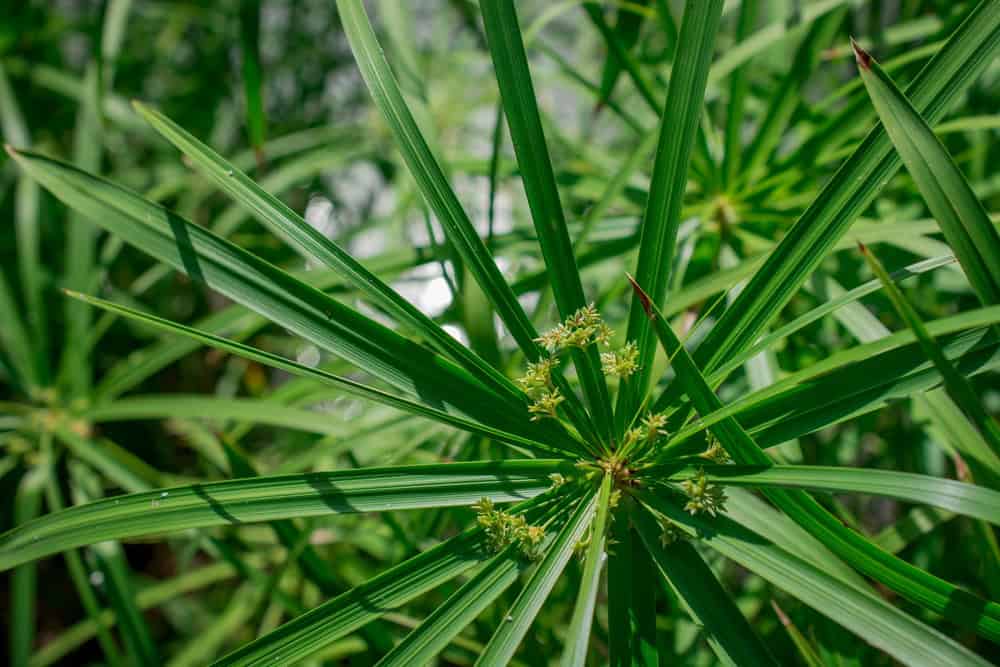
Nutsedge: The Fast-Growing Moisture Lover
Nutsedge is often mistaken for grass but behaves very differently.
Key Characteristics
- Bright yellow-green color
- Triangular stems
- Rapid vertical growth
- Thrives in wet or poorly drained soil
Why Early Control Matters
Nutsedge spreads through underground tubers, meaning pulling it often makes the problem worse. Proper herbicide treatment is essential.
If you're needing to improve drainage and soil structure, check out our Irrigation, Sprinkler Repair & Drainage Solutions page.
Dallisgrass: The Stubborn Perennial
Dallisgrass is one of the toughest weeds to eliminate once established.
Warning Signs
- Clumpy, coarse patches
- Taller growth than surrounding grass
- Early seed head formation
Long-Term Impact
This weed thrives in compacted soils and can persist year after year if not addressed early.
Broadleaf Weeds to Watch
Even as temperatures rise, some broadleaf weeds continue to spread, especially in stressed lawns.
Common examples include:
- Clover
- Plantain
- Spurge
- Morning glory
What Your Lawn Is Telling You
Weeds are symptoms, not just problems. They reveal underlying issues in your lawn.
Common Causes of Weed Growth
- Thin turf coverage
- Poor soil quality
- Compaction
- Improper watering
- Pest or disease damage
A healthy lawn is your best defense against weeds.
Explore our page on our full-service lawn care solutions for ways we can help your turf stay healthy and strong.
Proven Strategies to Prevent Summer Weeds
1. Act Early with Post-Emergent Treatments
If weeds are already visible, early treatment is critical.
- Use targeted herbicides for specific weeds
- Apply when temperatures are below 85°F
- Treat young weeds for best results
2. Strengthen Lawn Density
Thicker lawns naturally block weed growth.
- Overseed thin areas
- Fertilize appropriately
- Encourage root development
3. Improve Soil Health
Healthy soil supports strong turf.
- Add compost and organic matter
- Aerate compacted areas
- Conduct soil testing
4. Optimize Watering Practices
Watering incorrectly can actually promote weeds.
Best practices:
- Water deeply but infrequently
- Water early in the morning
- Avoid overwatering
5. Mow at the Correct Height
Proper mowing helps shade soil and reduce weed germination.
Recommended heights:
- Bermuda: 0.75-1 inch
- Zoysia: 1-1.5 inches
Herbicide Safety and Best Practices
Using herbicides correctly is essential for both effectiveness and safety.
Types of Herbicides
- Pre-emergent: Prevent weed growth
- Post-emergent: Kill existing weeds
- Selective: Targets weeds only
- Non-selective: Kills all vegetation
Safety Tips
- Follow all label instructions
- Apply during calm weather
- Keep children and pets away
- Wear protective equipment
For more safety guidelines, visit the EPA.
Early Summer Weed Prevention Checklist
Use this checklist to stay ahead:
- Inspect lawn weekly
- Identify early weed growth
- Apply treatments promptly
- Overseed thin areas
- Improve soil health
- Adjust irrigation schedule
- Maintain proper mowing height
When to Call a Professional Lawn Care Service
There comes a point when DIY efforts may not be enough, especially when dealing with aggressive or recurring weed infestations.
Signs You Need Professional Help
- Weeds returning after multiple treatments
- Large patches of invasive grasses
- Poor lawn density despite maintenance efforts
- Persistent drainage or soil issues
Professional services offer advanced solutions that aren't available in most retail stores.
Long-Term Benefits of Professional Weed Management
Investing in professional lawn care is not just about appearance. It's about protecting your property value and saving time.
Key Benefits Include
- Consistent weed prevention throughout the year
- Healthier, thicker turfgrass
- Reduced need for repeated treatments
- Expert monitoring and adjustments
At Conroy's Lawn and Landscape, we combine local knowledge with proven strategies to deliver results that last.
Partner with Conroy's Lawn and Landscape
Early summer weed control is all about timing, consistency, and proper lawn care practices. By taking action in May and maintaining a proactive approach, you can prevent weeds from taking over and enjoy a lush, healthy lawn all season long.
The difference between a struggling lawn and a thriving one often comes down to what you do before summer fully arrives.
Don't let early summer weeds take over your lawn. At Conroy's Lawn and Landscape, we specialize in proactive weed control tailored to North Texas conditions.
Why Choose Us?
- Local expertise in Keller, Southlake, and Colleyville
- Proven weed prevention programs
- Focus on long-term lawn health
Ready to Take Control of Your Lawn?
Contact Conroy's Lawn and Landscape today for a customized weed control plan. Early action now means a healthier, greener lawn all summer long.
A proactive approach in May can save you months of frustration. The sooner you act, the stronger your lawn will be when summer heat hits.

