December Warm Spells: How Sudden Temperature Swings Stress Lawns, Beds & Landscapes in North Texas
Winter in North Texas is anything but consistent. One afternoon may hit the 70s, and the next morning may drop below freezing. These unpredictable warm spells create serious challenges for lawns, shrubs, perennials, and flower beds, disrupting normal dormancy and weakening landscape health heading into spring.
While many homeowners assume winter landscapes are "resting," warm spells actually trigger activity, followed by sudden cold that damages tender tissues, dries out soil, activates pests early, and destabilizes root zones.
This guide explains how December warm spells impact lawns and ornamentals, and what you can do to protect your landscape.
Understanding Winter Warm Spells in Texas
North Texas sits in a clash zone between cold northern air and warm Gulf moisture. This creates rapid weather swings, with winter warm-ups becoming more frequent each year.
During a warm spell, even lasting just a few days, lawns and landscape beds begin to respond as if spring is arriving.
Warm spells cause:
- Lawn tissue to temporarily exit dormancy
- Soil temperatures to rise quickly
- Perennials and shrubs to begin premature growth
- Soil microorganisms to activate
- Moisture to evaporate faster than roots can absorb it
But as soon as the next cold front arrives, and it always does, early activity becomes a liability. Tender growth dies back, soil dries unevenly, and ornamentals become more stressed moving into spring.
The National Weather Service confirms that North Texas warm spells are increasing in frequency and intensity, making winter landscape care more important than ever.
Effects on Lawns: Dormancy Disruption and Cold Injury
Warm-season grasses common in North Texas: Bermuda, Zoysia, and St. Augustine, are built to shut down and conserve energy through winter. Dormancy allows turf to protect itself from cold temperatures, reduced sunlight, and slower soil biology. But when a December warm spell hits, turf can become confused by the sudden temperature rise.
A few days in the 60s or 70s is enough to trigger small biological changes in the lawn, especially at the surface level where temperatures fluctuate most rapidly.
What Happens When Turf "Wakes Up" During a Warm Spell
Warm-season turf begins to:
- Soften cell structures, becoming more vulnerable to damage
- Increase respiration, using up stored energy reserves
- Respond to soil warming, causing shallow root activity
- Push minor green patches, especially in sunny areas
This brief activation is not true spring growth: it’s a temporary physiological response that leaves the lawn vulnerable when cold returns.
Common Problems Triggered by Warm Spells
When turf is activated too early, the next cold front inevitably causes damage.
Typical symptoms include:
- Patchy green spots that later turn brown or gray after a freeze
- Frost injury, where softened blades become brittle and damaged
- Uneven dormancy, creating a blotchy or mottled appearance across the lawn
- Dehydrated turf, especially during warm spells with strong, dry north winds
Areas near hardscapes like, concrete, stone, driveways are even more likely to show symptoms because the surrounding surfaces radiate additional heat, pushing turf out of dormancy faster.
Why This Damage Matters Going Into Spring
Every time grass exits dormancy prematurely, it uses energy that cannot be replenished until true spring growth begins. Repeated warm spells followed by freezes drain the turf’s reserves.
This often results in:
- Thin or weak turf in early spring, especially in high-traffic or sunny areas
- Slow recovery, where lawns struggle to green up evenly
- Bald or patchy areas, requiring overseeding or topdressing
- Higher vulnerability to fungal diseases, such as spring dead spot or large patch fungus
- Increased susceptibility to pests, including root-feeding insects that become active during warm spells
If these stress factors stack across the winter months, the lawn may enter spring already struggling, long before heat, drought, or pests arrive.
Effects on Shrubs, Perennials & Flower Beds
Shrubs, perennials, and flower bed plantings are among the most sensitive elements in a North Texas landscape during winter warm spells. Unlike turf, which remains largely dormant, many ornamentals retain partial metabolic activity through the cold season. When temperatures spike, they react quickly, and the resulting stress can be significant once the next cold front arrives.
Below are the most common ways warm spells disrupt ornamental landscape plants.
Premature Growth
Warm spells often convince shrubs and perennials that spring has arrived early, triggering growth that is highly vulnerable to freeze injury.
Warm temperatures can cause plants to:
- Push out soft new shoots on branch tips
- Develop swelling buds that should remain tightly dormant
- Initiate early leaf emergence, especially in perennials and semi-evergreens such as lantana, Turk’s cap, salvias, and certain groundcovers
- Reactivate stem metabolism, making tissues less cold-hardy
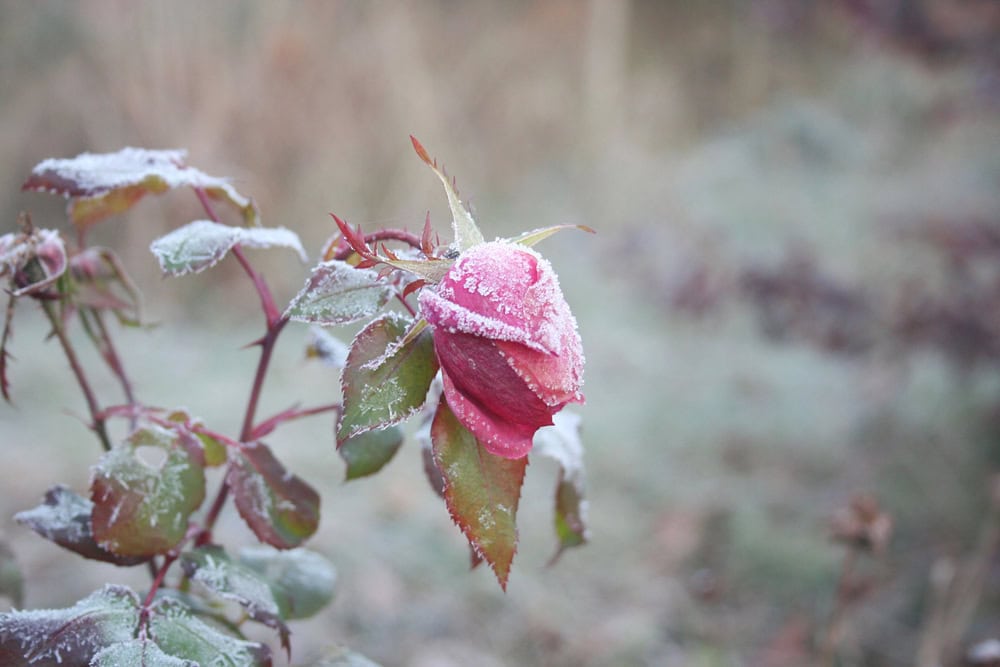
Once temperatures drop again, this new growth is the first to suffer. Freeze injury may appear as:
- Blackened or mushy new growth
- Browning at the tips of stems
- Dieback that spreads several inches down the branch
- Delayed regrowth in spring due to lost energy reserves
Shrubs like abelia, roses, loropetalum, and even some nandina varieties commonly display warm spell dieback.
Moisture Imbalance
One of the most overlooked winter issues is rapid soil moisture loss during warm spells.
Drying occurs quickly because:
- Soil warms and evaporates moisture faster
- Plants experience elevated respiration and transpiration
- Winds in North Texas often coincide with warm fronts
Flower beds may show:
- Wilting, even in cool weather
- Leaf scorch, especially on exposed evergreens
- Dry root zones in raised beds or planters, where soil volume is limited
- Moisture loss that leads to freeze injury when temperatures plunge
Once soil dries out during a warm spell, roots are more likely to desiccate or freeze once temperatures drop below 32°F.
Evergreen Bronzing
Warm spells followed by hard freezes frequently cause winter bronzing, a stress response seen in many evergreen shrubs.
Plants commonly affected include:
- Holly (especially dwarf yaupon and Carissa holly)
- Juniper varieties
- Ligustrum
- Pittosporum
- Boxwood
- Wax myrtle
Bronzing presents as:
- Reddish or copper-colored foliage
- Purplish winter tones
- Patchy discoloration on the outer tips of shrubs
This condition isn’t always fatal, but repeated warm–freeze cycles weaken shrubs, slow spring rebound, and may contribute to tip dieback.
Fast-Changing Root Temperatures
Root systems experience dramatic temperature swings during warm spells, especially in beds that lack insulation.
The following locations are most vulnerable:
- Raised planters
- Shallow clay soils
- Flower beds built atop compacted builder soil
- Containers placed on patios or porches
These areas warm rapidly during warm spells and cool just as fast once a cold front arrives.
This instability can lead to:
- Root expansion and contraction, stressing root tissues
- Dehydration, as warm soil dries quickly
- Freeze injury, where root tips die back
- Reduced nutrient uptake, delaying spring growth
Container-grown plants are especially susceptible since their rootballs are exposed to ambient temperatures and are not protected by surrounding soil.
In short, shrubs, perennials, and flower bed plants lack the uniform dormancy of turf and tree species. Warm spells disrupt their winter rest, drain stored energy, and create moisture stress which leaves them more vulnerable to freeze damage, pests, and slow recovery when spring returns.
Early Pest Activity During Warm Spells
One hidden issue with warm winter weather is the early activation of pests that normally remain dormant.
Warm spells may wake:
- Aphids
- Scale insects
- Spider mites
- Borers
- Root-feeding grubs
These pests look for tender new growth, which the warm spell often provides. Then, when colder weather returns and landscapes are already stressed, pests gain a significant advantage.
This is a major reason early spring outbreaks are so common in North Texas landscapes.
The Bigger Problem: Freeze–Thaw Cycling
North Texas winters often bring repeated cycles of freezing nights followed by warm afternoons.
This freeze–thaw cycling causes:
- Ground expansion and contraction
- Disturbed soil around lawn roots and shrubs
- Frost heave in new plantings
- Soil moisture loss as warm spells accelerate evaporation
For lawns and ornamental beds, this means:
- Dried-out root zones
- Soil pulling away from plant bases
- Poor spring recovery
- Increased susceptibility to pests and fungal diseases
Freeze–thaw damage may not be immediately visible, but shows up later in spring as thin turf, dieback on perennials, and failing shrubs.
What Homeowners Can Do During Winter Warm Spells
1. Monitor Soil Moisture
Check beds and lawn areas regularly. North Texas clay dries quickly during warm spells.
Water only when:
- Soil is dry 2–3 inches down
- Temperatures are above freezing
- Midday watering is possible
2. Maintain Mulch Depth
Mulch helps regulate soil temperature and retain moisture.
Keep:
- 2–3 inches of mulch in flower beds
- Mulch pulled back from shrub bases by 3–6 inches
3. Avoid Fertilizing or Pruning
Warm spells may tempt early yard work but avoid it.
Pruning or fertilizing during a warm spell:
- Stimulates tender new growth
- Encourages early budding
- Leads to freeze injury during the next cold snap
4. Protect Moisture-Sensitive Landscape Areas
Raised beds, planters, and shallow-rooted perennials need extra moisture checks.
5. Schedule a Winter Landscape Check-Up
A winter check-up helps identify:
- Soil moisture problems
- Frost damage in beds
- Early pest activity
- Mulch deficiencies
- Bed erosion or soil displacement
How Conroy’s Lawn & Landscape Helps Protect Your Landscape in Winter
North Texas weather can shift dramatically from warm, spring‑like afternoons to hard freezes within hours. These rapid temperature swings are tough on lawns, shrubs, perennials, and flower beds. Conroy’s Lawn & Landscape provides winter-focused services designed specifically for the conditions unique to the DFW region.
Our team understands the soil types, microclimates, and seasonal weather patterns across Tarrant County and surrounding areas. We know how warm spells interrupt dormancy and how freeze–thaw cycles damage root zones, and we tailor our services to keep your entire landscape stable, hydrated, and protected.
Here’s how we help safeguard your property during unpredictable winter weather.
Landscape Bed Moisture Assessments
Warm spells dry out soil quickly, even in winter. Our technicians evaluate moisture levels in:
- Flower beds
- Shrub plantings
- Raised planters
- Perennial borders
- Areas with shallow or compacted clay soils
We identify beds that are at risk for winter dehydration and recommend targeted watering schedules to prevent root desiccation and freeze injury.
Mulch Installation & Insulation
Mulch is one of the most effective tools for stabilizing soil temperatures during freeze–thaw cycling.
Our winter mulch services provide:
- Proper 2–3 inch coverage
- Insulation for root zones
- Reduced evaporation during warm spells
- Protection for young shrubs and perennials
- More stable soil temperatures after sudden cold snaps
We also correct common mulching issues, such as overmulching near shrub bases or mulch that has thinned out after fall winds.
Winter Lawn Health Evaluations
Even though turf is dormant, warm spells can disrupt the rest period it needs to thrive in spring.
Our winter lawn evaluations include:
- Dormancy condition checks
- Assessment for early disease activity
- Identification of thin or stressed turf areas
- Evaluation of warm‑spell green patches that may turn into dieback
We also recommend corrective measures to support strong spring green‑up.
Protection for Ornamentals & Evergreens
Shrubs and perennials respond quickly to warm spells and even quicker to the cold that follows. Our team inspects landscape beds for:
- Early bud swelling
- Bronzing or discoloration on evergreens
- Moisture stress
- Dieback on tender ornamentals
We offer customized winter solutions such as:
- Anti‑desiccant treatments for moisture loss
- Bed‑specific watering plans
- Soil amendments to improve winter moisture retention
- Seasonal monitoring for freeze injury
Freeze–Thaw Damage Mitigation
Repeated freeze–thaw cycles cause soil movement, root shifting, and moisture imbalance. We evaluate and mitigate these issues by:
- Inspecting beds for soil pullback or heaving
- Re‑stabilizing disturbed root zones
- Re‑leveling soil around perennials and shrubs
- Adding mulch or soil amendments to regulate temperature swings
A Winter Landscape Approach Built for North Texas
Our goal is simple: keep your lawn and landscape stable, protected, and ready for spring. Warmer-than-normal winter days shouldn’t jeopardize months of growth. With proactive care, your landscape can handle Texas’ unpredictable winter weather and emerge healthier, fuller, and more vibrant when spring arrives.
Preparing for Spring: Why Winter Landscape Care Matters
The work done in winter determines how well your lawn and landscape rebound in spring.
Proper warm-spell management improves:
- Turf density and green-up
- Evergreen color and resilience
- Perennial regrowth
- Pest resistance
- Soil stability and moisture balance
A landscape that is protected during winter is healthier, fuller, and more vibrant in spring.
Winter Warm Spells
December warm spells are a normal part of North Texas life but the effects they have on lawns, flower beds, shrubs, and ornamental plantings are often far more serious than homeowners realize. What feels like a pleasant, mild winter day can trigger a series of landscape disruptions that unfold quietly beneath the surface.
Sudden warm-ups can:
- Break turf dormancy and weaken grass before spring
- Stimulate tender new growth on shrubs and perennials that will freeze days later
- Accelerate soil moisture loss, leaving beds dehydrated
- Activate overwintering pests far earlier than normal
- Intensify freeze–thaw cycling, which destabilizes root zones and dries out soil
These combined stresses create a domino effect that shows up months later as thin turf, dieback in shrubs, delayed blooming, or declining ornamental plants.
Why Acting in Winter Matters
Many homeowners wait until spring to address landscape problemsbut by then, the damage from winter warm spells is already done. Winter is the season when proactive care makes the biggest impact on:
- Soil stability
- Moisture balance
- Shrub health
- Evergreen color retention
- Turf resilience
- Overall spring growth performance
A healthy spring landscape doesn’t start in March, it starts with smart decisions made in December, January, and February.
Partner With a Team That Understands North Texas Weather
DFW landscapes aren’t damaged by cold alone, they are damaged by fluctuation, and these fluctuations are becoming more frequent each year. Conroy’s Lawn & Landscape provides climate-specific winter services tailored to the exact challenges that North Texas properties face.
Our team is trained to spot the early signs of:
- Dormancy disruption in lawns
- Moisture loss in perennial and shrub beds
- Freeze–thaw instability in raised planters
- Evergreen bronzing and stress discoloration
- Early pest activation during warm spells
We respond with targeted solutions that stabilize your landscape and help it conserve energy during winter.
Ready to protect your lawn and landscape this winter?
Conroy’s Lawn & Landscape offers:
- Winter lawn and landscape monitoring to catch problems early
- Soil moisture management to support turf and bed health
- Mulching and bed protection for insulation and freeze defense
- Freeze–thaw mitigation to prevent rootzone disruption
- Seasonal landscape plans designed specifically for North Texas temperature swings
Your landscape is an investment and winter is the season that determines how well that investment performs in spring.
A healthy, vibrant spring landscape begins with smart winter care today.