Early Warning Signs of Winter Lawn Stress in North Texas
Winter lawns in North Texas often look deceptively quiet. By January, most warm-season grasses across Tarrant County have entered dormancy, leading many homeowners to assume their lawn is simply “resting.” While dormancy is natural, winter lawn stress in Texas is very real, and it often begins long before visible damage appears.
The unique winter climate in North Texas creates conditions that quietly strain turfgrass. Rapid temperature swings, winter drought, compacted clay soil, inconsistent irrigation, and freeze–thaw cycles all contribute to dormant lawn problems that can weaken turf well before spring green-up. Recognizing early warning signs of winter lawn stress allows homeowners to intervene early, preventing thinning turf, disease pressure, and costly spring repairs.
This January-focused guide explains how to identify subtle signs of lawn problems in North Texas, why winter stress develops even during dormancy, and how proactive care protects long-term turf health.
Why Winter Lawn Stress Is Common in North Texas
Unlike northern regions where lawns remain frozen for months, North Texas experiences fluctuating winter conditions. Lawns may freeze overnight, thaw during the day, and face extended dry spells in between. These conditions disrupt the natural dormancy cycle and place hidden stress on turfgrass.
Common winter stress factors in Tarrant County include:
- Inconsistent soil moisture
- Compacted clay soil restricting root oxygen
- Sudden warm spells triggering false growth
- Freeze–thaw cycles damaging roots
- Reduced microbial activity in cold soil
Even though grass blades are dormant, roots remain alive and vulnerable.
Understanding Dormancy vs. Dormant Lawn Problems
Dormancy is a survival mechanism that allows warm-season grasses like Bermuda and Zoysia to conserve energy during cold weather. However, dormant lawns are not immune to damage.
Healthy Dormancy
A healthy dormant lawn:
- Maintains stable soil moisture
- Has intact root systems
- Shows uniform straw-brown color
- Resists compaction and erosion
Unhealthy Dormancy
Dormant lawn problems develop when environmental stressors interfere with root stability. These problems may not appear until spring, but the damage begins in winter.
Early Warning Signs of Winter Lawn Stress in Texas
Identifying early signs of lawn problems in North Texas requires close observation during January.
1. Patchy or Uneven Dormant Color
While winter lawns turn brown, uneven coloration often signals underlying stress. Areas that appear gray, matted, or excessively pale may indicate:
- Dehydrated roots
- Soil compaction
- Poor drainage
Patchy dormancy often leads to delayed spring green-up.
2. Excessively Dry or Cracked Soil
Winter drought is one of the most overlooked seasonal lawn problems in Texas. January rainfall is inconsistent, and dry north winds accelerate evaporation.
Signs of moisture stress include:
- Visible soil cracks
- Hardened turf surface
- Reduced soil resilience underfoot
Dry soil increases root desiccation and weakens turf before spring.
3. Standing Water After Winter Rain
On the opposite end of the spectrum, excessive moisture creates serious dormant lawn problems. Clay soil holds water, leading to oxygen-starved roots.
Watch for:
- Pooled water after rainfall
- Mushy turf
- Algae growth on soil surface
Poor drainage during winter often leads to root rot and fungal pressure.
4. Thinning Turf or Bare Patches
Winter thinning may not become obvious until late January. Freeze–thaw cycles can heave soil, breaking root contact and causing turf loss.
Bare areas invite:
- Weed invasion
- Soil erosion
- Uneven spring growth
5. Footprint Persistence
If footprints remain visible on dormant turf long after walking across it, soil compaction or moisture imbalance may be present.
This indicates:
- Reduced root flexibility
- Compromised soil structure
How Freeze–Thaw Cycles Affect Dormant Lawns
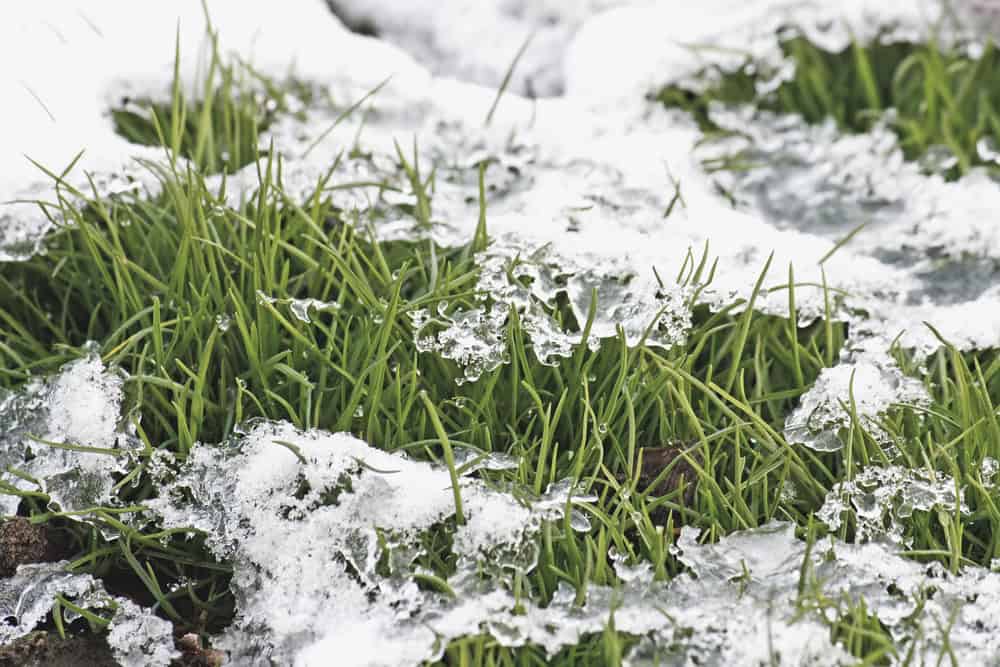
Freeze–thaw cycles are a leading cause of winter lawn stress in Texas.
Soil Expansion and Contraction
When moisture freezes, it expands. As it thaws, soil contracts, disrupting root systems. Repeated cycles weaken turf anchoring and create uneven surfaces.
Root Exposure
Soil movement can expose roots to cold air, increasing desiccation risk and reducing spring recovery.
Seasonal Lawn Problems Texas Homeowners Overlook
Many winter lawn problems go unnoticed because turf appears inactive.
Compaction from Winter Traffic
Dormant grass is less resilient. Foot traffic, pets, and equipment compact soil, reducing oxygen flow.
Improper Winter Irrigation
Overwatering during warm spells or shutting irrigation off completely both contribute to stress.
Balanced winter watering is critical for root survival.
The Role of Soil Moisture in Winter Lawn Health
Soil moisture management is the foundation of winter lawn care.
Proper moisture:
- Insulates roots
- Prevents dehydration
- Reduces freeze damage
Poor moisture balance accelerates winter stress.
How Professional Lawn Care Helps Prevent Winter Stress
Professional lawn care plays a critical role in reducing winter lawn stress in Texas, especially in regions like Tarrant County where environmental conditions fluctuate rapidly.
During January, many lawn issues are developing below the surface. Licensed professionals are trained to recognize early indicators of dormant lawn problems that homeowners may overlook. These include subtle soil compaction, uneven moisture distribution, early fungal pressure, and root instability caused by freeze–thaw cycles.
Professional winter lawn care services often include:
- Detailed soil moisture analysis to identify drought stress or oversaturation
- Drainage evaluations to reduce standing water and soil suffocation
- Inspection for winter fungal diseases that thrive in cool, damp conditions
- Identification of compaction zones caused by foot traffic, pets, or equipment
- Customized winter irrigation recommendations based on turf type and weather trends
Because winter lawn stress in North Texas is closely tied to soil behavior, professionals focus heavily on what’s happening underground. Healthy soil structure allows roots to remain insulated, oxygenated, and hydrated throughout winter dormancy.
Local expertise is especially important. Tarrant County lawns are affected by dense clay soil, alkaline conditions, and inconsistent winter rainfall. Professionals familiar with these challenges can tailor solutions that prevent dormant lawn problems from escalating into widespread turf loss by spring.
Preparing for Spring Starts in January
Many homeowners think lawn care begins in March or April, but the reality is that spring success is determined months earlier. January is a foundational month for lawn health in North Texas.
Lawns that experience unmanaged winter stress often show delayed green-up, thin growth, and increased weed pressure in spring. Addressing seasonal lawn problems in Texas during winter creates a stronger starting point when temperatures rise.
January lawn preparation focuses on:
- Stabilizing soil moisture to protect roots
- Preventing compaction that restricts spring root expansion
- Minimizing freeze–thaw damage that weakens turf anchoring
- Reducing disease pressure before growth resumes
When winter stress is controlled, turf enters spring with intact root systems and improved resilience. This leads to faster green-up, thicker coverage, and fewer bare areas where weeds can establish.
Proactive January care doesn’t just protect dormant grass. It reduces the need for aggressive corrective treatments later in the year, saving time, effort, and long-term maintenance costs.
The Impact of Winter Lawn Stress on Spring and Summer Performance
Winter lawn stress in Texas has a compounding effect. Problems that begin during dormancy often intensify as the growing season progresses.
Lawns weakened in winter are more likely to experience:
- Delayed or uneven spring green-up
- Increased susceptibility to weeds
- Higher disease incidence during wet spring periods
- Reduced drought tolerance during summer heat
Because roots drive water uptake and nutrient absorption, any winter damage limits the lawn’s ability to cope with future stress. Addressing dormant lawn problems early protects turf performance year-round.
Common Myths About Winter Lawn Care in North Texas
Several misconceptions contribute to winter lawn stress.
“Dormant Lawns Don’t Need Water”
While growth slows, roots still require moisture. Extended winter drought leads to root dehydration and turf thinning.
“Cold Weather Kills All Lawn Diseases”
Many fungal pathogens remain active in cool, wet soil. Poor drainage and excess moisture increase disease risk during winter.
“Foot Traffic Doesn’t Matter in Winter”
Dormant turf is less resilient. Repeated traffic causes compaction that damages soil structure and roots.
January Lawn Care Checklist for Tarrant County Homeowners
A simple winter checklist helps reduce seasonal lawn problems in Texas:
- Monitor soil moisture every 2–3 weeks
- Avoid heavy foot traffic on dormant turf
- Ensure proper drainage after rainfall
- Inspect for thinning or bare patches
- Adjust irrigation during warm spells
Consistent monitoring prevents minor stress from becoming major damage.
When to Seek Professional Help for Winter Lawn Stress
Some signs indicate the need for expert evaluation:
- Persistent bare or thinning areas
- Standing water that doesn’t drain within 24 hours
- Visible soil cracking during dry periods
- Delayed green-up year after year
Professional assessments provide clarity and targeted solutions.
Final Thoughts: Don’t Ignore Winter Lawn Stress
Winter lawns may appear inactive, but January conditions in North Texas quietly shape turf health for the entire year. Freeze–thaw cycles, moisture imbalance, soil compaction, and drainage issues all contribute to winter lawn stress in Texas.
By recognizing early warning signs of winter lawn stress in North Texas and addressing dormant lawn problems proactively, homeowners in Tarrant County can prevent long-term damage. Strategic winter care supports stronger roots, healthier soil, and more resilient turf.
Healthy lawns are not built in spring alone. They are protected, preserved, and prepared throughout winter.